


The Monastery of St. Thekla: the mystery of the miraculous land
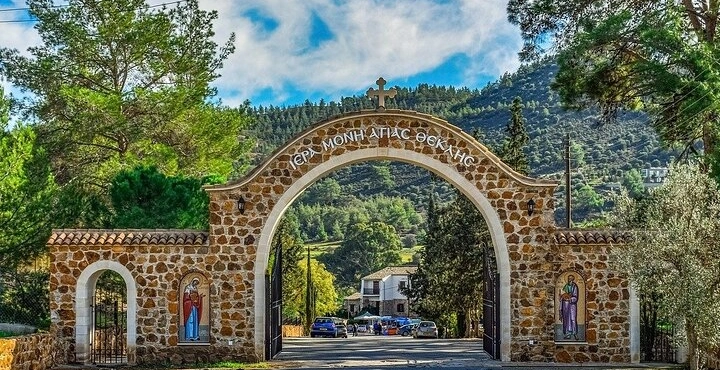
Not far from Larnaca, among olive trees and quiet hills, the monastery of St. Thekla lurks — a place where people go not only for peace, but also for miracles.
Saint Thekla is considered the first female martyr of Christianity and a disciple of the Apostle Paul. There are many legends associated with her name, but the most famous is about the miraculous power of the local mud, which is collected near the monastery.
The pilgrims apply this mud to the affected areas of the skin. Many people believe that it helps with various skin diseases. How many generations have come here, and everyone has told the same story: someone left with noticeable relief, someone with complete healing. For believers, this is not just a healing clay, but a real blessing from St. Thekla.
The monastery itself is very bright and welcoming. The white walls shine in the sun, the quiet courtyards seem to invite you to sit down and think, and inside there is a special atmosphere — the smell of wax, the flickering of candles, ancient icons.
Especially many people come here on September 24, the feast day of St. Thekla. On this day, the monastery is filled with pilgrims: some come with gratitude for the healing, others with the hope of a miracle. But on other days, everyone is always welcome here: whether it's a tourist who came out of curiosity, or a person looking for silence and prayer.
After visiting the monastery of St. Thekla, you realize that miracles are alive. Sometimes they are hidden in the simplest thing — in a handful of earth that people have been collecting for centuries with faith and hope.